Public adjusting for property owners
Commercial loss adjustment in South Carolina
Commercial loss adjustment in South Carolina begins with the damage to your property and the work needed to explain it. When a roof leak or fire disrupts a business location, repairs are only one part of the pressure. You may also be managing staff, customers, tenants, and a growing pile of invoices.
Our approach to property claims is built on photos, measurements, and clear estimates. Start by discussing the building, the loss, and your policy so we can determine whether the assignment fits our experience.
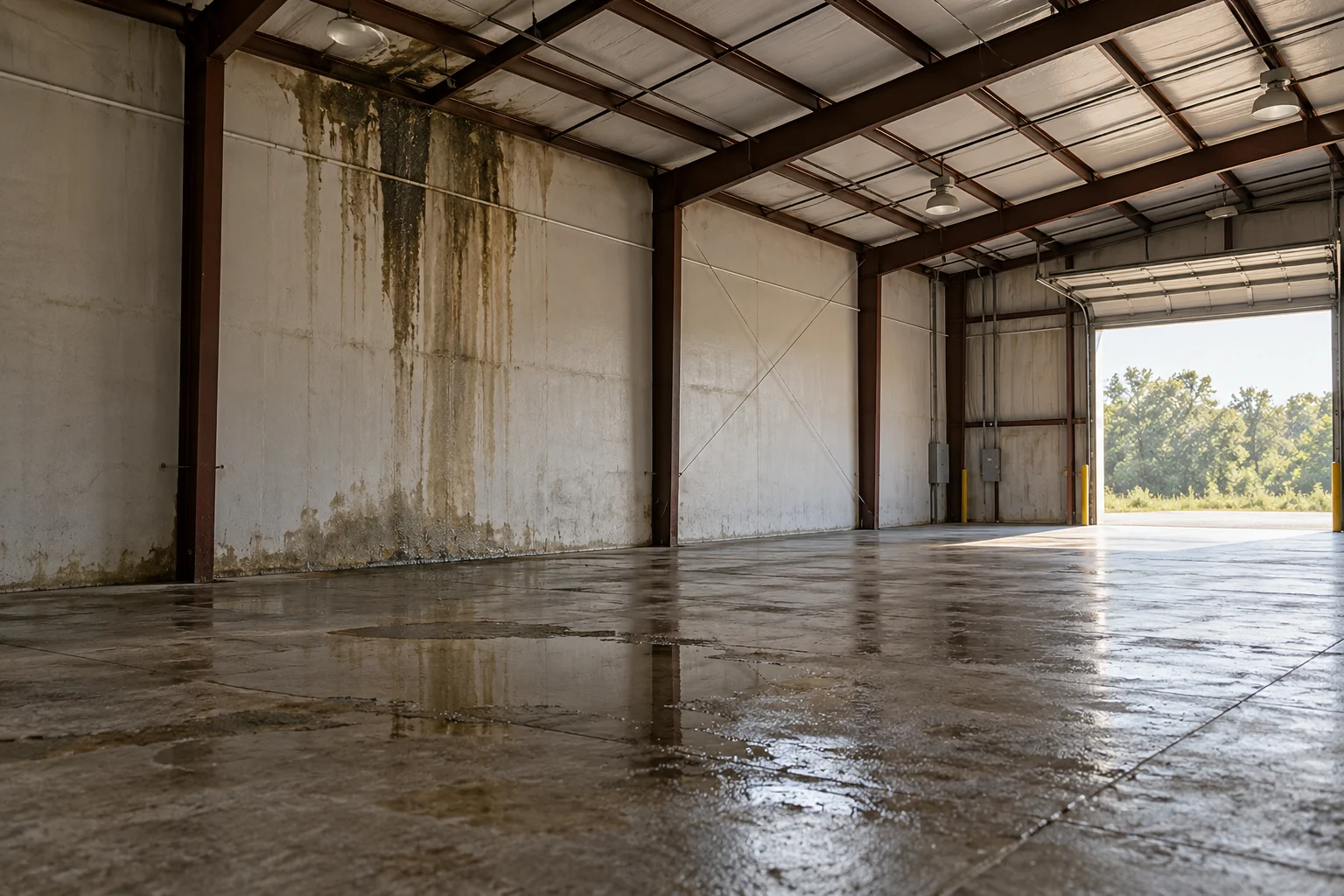
Commercial loss adjustment
A useful file separates the damaged building from the items and work inside it. A property owner, tenant, and contractor may each hold a different part of the record. Before comparing figures, identify who owns the damaged property and what each estimate actually includes.
Bring the policy and any relevant lease or ownership records to the discussion. Questions about legal responsibilities under a lease should go to your attorney. Claim documentation can then stay focused on the property damage and the records needed to support it.

Build a clear repair scope
A single total for restoring a space can hide important differences. Which rooms need work? What materials were damaged? Does the quote include removal, access, and restoration, or just replacement materials? A detailed scope makes it easier to see whether two estimates are describing the same job.
Our work draws on more than two decades of Xactimate estimating experience and a background in field and desk adjusting. Our method connects quantities and repair tasks to the damage record. The purpose is an estimate that can be explained item by item.
Keep business records separate and organized
Save property photos, repair proposals, invoices, and communications in a shared claim folder. If more than one person is speaking with the insurer, keep a dated record of what was requested and who is responding. That reduces the chance of sending conflicting versions of an estimate.
Lost income and extra operating costs involve different records from physical repairs. Ask about the scope of any proposed engagement before assuming those parts of a business claim are included. An accountant or other specialist may be needed for financial calculations.

A practical first conversation
Our South Carolina work has been concentrated in the eastern part of the state, including Charleston, Columbia, Myrtle Beach, and Hilton Head. Our property adjusting background is especially strong in homeowner water, storm, and fire losses. Discuss the specific commercial property and assignment with us before work begins.
Have the claim number, insurer correspondence, building photos, and existing estimates ready. Explain any planned repairs and the people involved. The next step should be based on the actual loss, a clear scope of services, and written fee terms. It should not begin with an assumed settlement figure or a promise about when your business can reopen.
A clearer next step
Let's talk about your property claim.
Tell us what happened, where things stand with your insurer, and what's still unresolved. We can discuss the work your situation needs and whether our services are a fit.