Insurance appraisal for property owners
Commercial insurance claim appraisal in South Carolina
Commercial insurance claim appraisal in South Carolina begins with defining the property and amounts in dispute. A business loss may involve a building, tenant improvements, equipment, or several separate repair proposals. When those items are mixed into one total, it can be difficult to see where the estimates disagree.
We bring years of appraisal and property estimating experience to an initial discussion. The type of commercial property, the policy requirements, and the work involved should be reviewed before deciding whether our appraisal services are the right fit for the assignment.
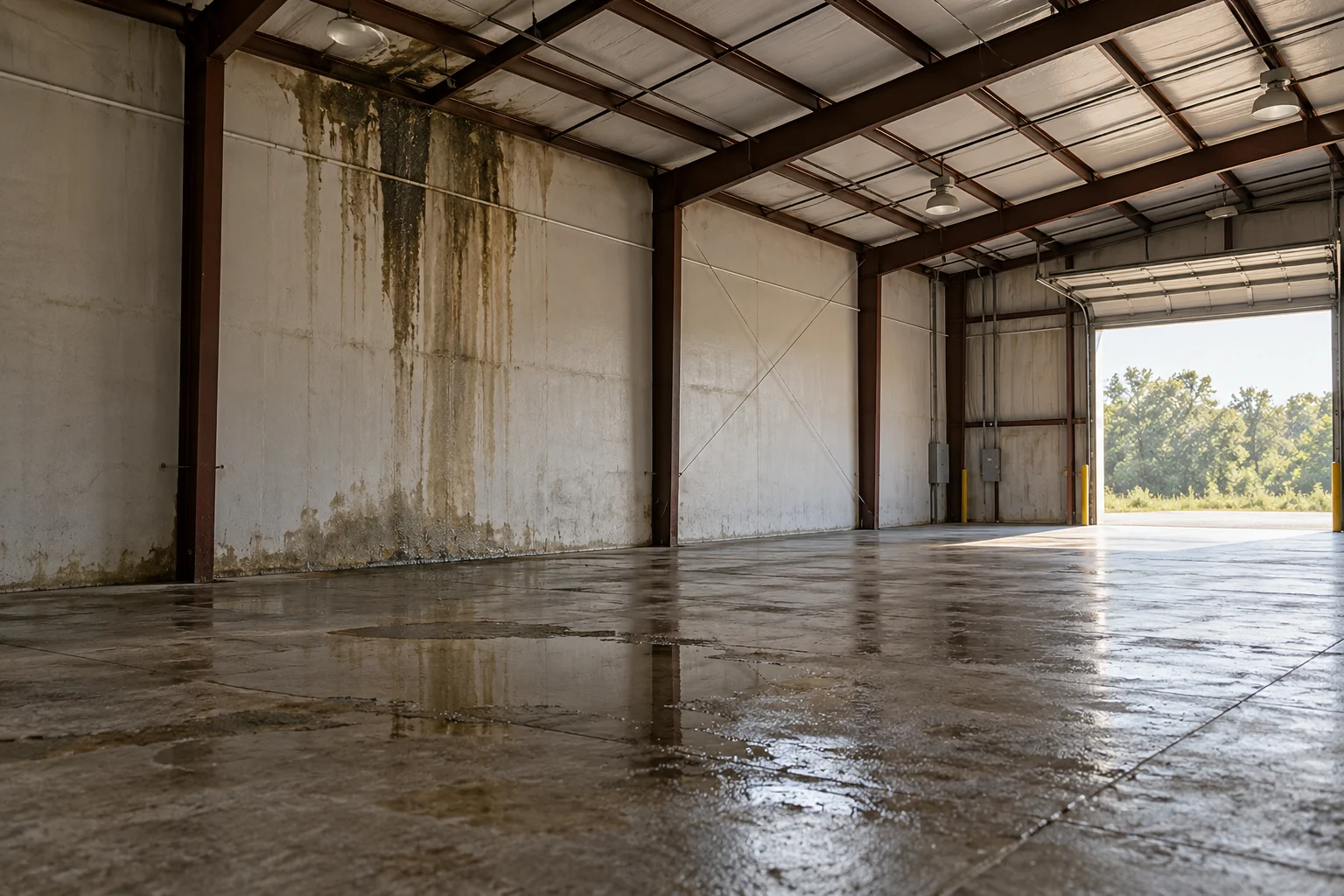
Commercial insurance claim appraisal
Identify the insured property and the records that support its value or repair cost. A building owner's estimate may describe different work from a tenant's estimate. Keep those interests and scopes clear rather than assuming every invoice belongs in the same part of the claim.
The appraisal clause and correspondence should identify the proposed dispute. Questions about legal duties under a lease, ownership rights, or coverage should go to the appropriate adviser. A valuation review needs a clear boundary around the property and amounts it is being asked to examine.

Use estimates that can be compared
Break the work into understandable areas and tasks. Check the measurements, materials, repair methods, and quantities in each estimate. If a large difference remains, identify the specific line items that create it instead of relying only on the final totals.
Our work draws on more than two decades of Xactimate estimating experience and a background in both field and desk adjusting. Our method uses photos and measurements to support the proposed work. Practical repair information from a contractor can help explain a task that is otherwise unclear.
Match the records to the assignment
Building damage, specialized equipment, and business income may call for different evidence and expertise. Ask which parts of the loss a proposed engagement includes. Do not assume a property repair estimate also addresses lost revenue or the value of every piece of business equipment.
Organize repair quotes, invoices, inspection findings, and asset records by the property they describe. Identify completed work separately from proposed work. A consistent record helps avoid duplicate amounts and makes the remaining valuation questions easier to review.

Discuss fit, independence, and fees first
Our strengths include water, storm, and fire property losses. For a commercial assignment, discuss the particular building and damage rather than relying on a broad service label. Any prior involvement with the claim and possible conflicts should also be reviewed before an appointment.
Our South Carolina work is concentrated in the eastern part of the state, including Charleston, Columbia, Myrtle Beach, and Hilton Head. Have the policy, estimates, appraisal correspondence, and a list of disputed items ready. Clear written terms should explain the services and fees. The aim is a well-supported valuation within an appropriate assignment, not a guaranteed recovery or a promise about when the business will reopen.
A clearer next step
Let's talk about your property claim.
Tell us what happened, where things stand with your insurer, and what's still unresolved. We can discuss the work your situation needs and whether our services are a fit.