Insurance appraisal for property owners
Storm damage insurance appraisal in South Carolina
Storm damage insurance appraisal in South Carolina may become relevant when the damage has been inspected but the loss amount remains unsettled. A single storm can affect the roof, siding, rooms, and belongings in different ways. Before comparing totals, the valuation needs a clear picture of the disputed items.
We have years of wind, hail, hurricane, and tropical storm claim experience. We bring that property background, several years of appraisal work, and more than two decades of estimating experience to the review.
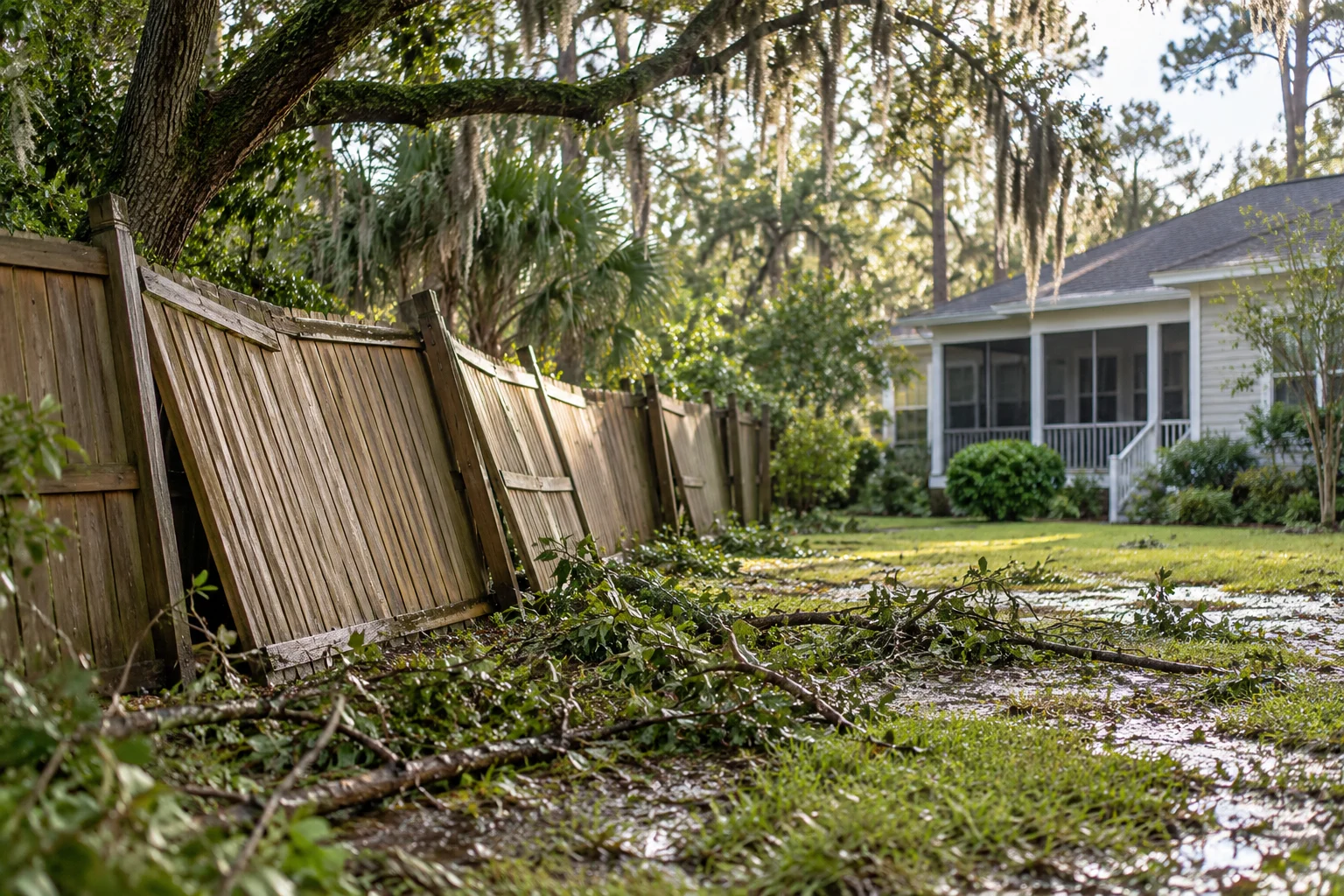
Storm damage insurance appraisal
Start with the insurer's estimate and a list of the items still in dispute. Identify which areas have been agreed upon and which need further review. If several inspections produced different findings, keep the reports and explain when each inspection occurred.
Also keep the causes of damage clear. Wind damage, rain entering an opening, and rising water can raise different questions. A valuation assignment should not blur those issues or assume that one policy will respond to every part of a storm loss.

Make the estimate follow the damage record
Photos and measurements should connect to specific locations. A roof diagram can identify an affected section; room photos can show interior damage. Labeling the evidence helps a reviewer understand why a particular repair task appears in the estimate.
We use Xactimate to organize repair quantities and costs. Our field and desk adjusting experience helps us look at both the property and the file. The aim is to explain the necessary work, with enough support to review the differences between competing estimates.
Account for work already completed
Temporary repairs and cleanup can change the condition of the property before appraisal begins. Keep photos taken before that work, along with detailed invoices and professional findings. Those records may explain damage that cannot be seen during a later visit.
Separate completed work from proposed work, and track revised estimates by date. If a contractor found additional damage during repairs, keep the discovery photos and a description of the change. The file should make it possible to distinguish a supported addition from a repeated charge.

Choose a defined next step
Review the policy's appraisal clause and the insurer's position before an appointment. A legal coverage question may need an attorney, while an amount-of-loss disagreement may call for valuation work. Ask what the assignment includes and what effect an award could have under your policy.
Our South Carolina experience is concentrated in the eastern part of the state, including Charleston, Columbia, Myrtle Beach, and Hilton Head. Bring the policy, estimates, photos, repair invoices, and appraisal correspondence. Discuss fees, possible conflicts, and any earlier claim involvement. Our approach is to work from the evidence and keep the process clear, rather than assume the storm's size determines the value of your individual loss.
A clearer next step
Let's talk about your property claim.
Tell us what happened, where things stand with your insurer, and what's still unresolved. We can discuss the work your situation needs and whether our services are a fit.