Insurance appraisal for property owners
Water damage insurance appraisal in South Carolina
Water damage insurance appraisal in South Carolina may be useful when the loss amount is still disputed after the water is gone. The drying company has an invoice, the contractor has a repair quote, and the insurer has an estimate that appears to leave work out. Those documents need to be compared on a clear basis.
Water losses are one of our strongest areas. Our experience includes looking beyond visible stains and understanding how the damage record relates to the repair work being valued.

Water damage insurance appraisal
Start with the issue the insurer and property owner have not resolved. Is a particular repair area missing? Are the parties using different measurements? Is a mitigation charge disputed? Identify those questions before deciding what the appraisal assignment should include.
The cause of loss and the insurer's coverage position also need to be clear. Appraisal should not be treated as a substitute for legal advice about a denial. Review the policy and the proposed scope before agreeing to the process.
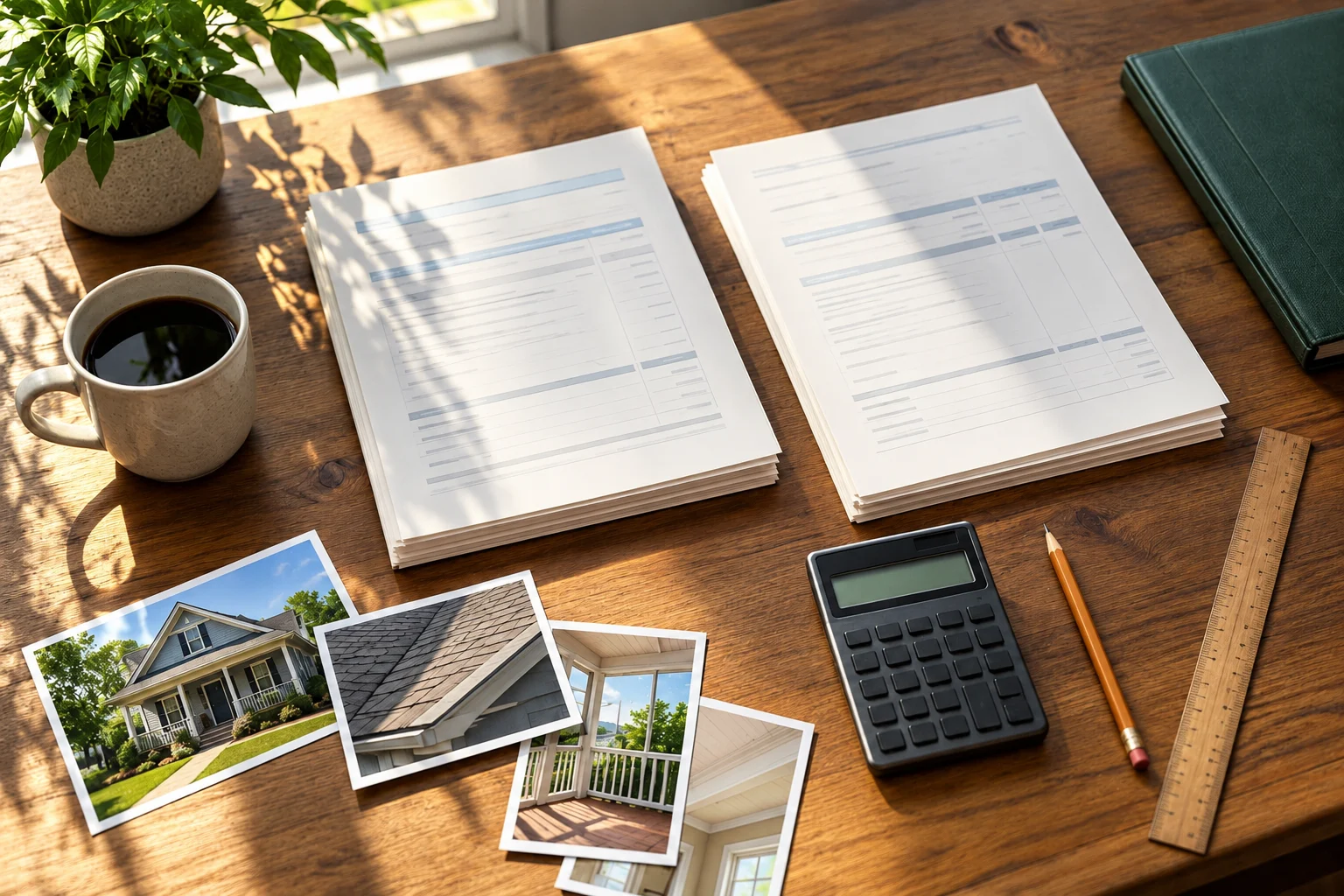
Keep drying and rebuilding records distinct
Mitigation records describe work done to address the immediate water problem. Repair estimates describe what is needed to restore the affected property afterward. Those amounts can be related without being interchangeable. A clear file shows what each charge covers.
Save the drying reports, removal photos, measurements, and detailed invoices. If one estimate includes work that also appears in an invoice, explain the difference or correct the duplication. The valuation should account for necessary tasks without counting the same work twice.
Support damage that is no longer visible
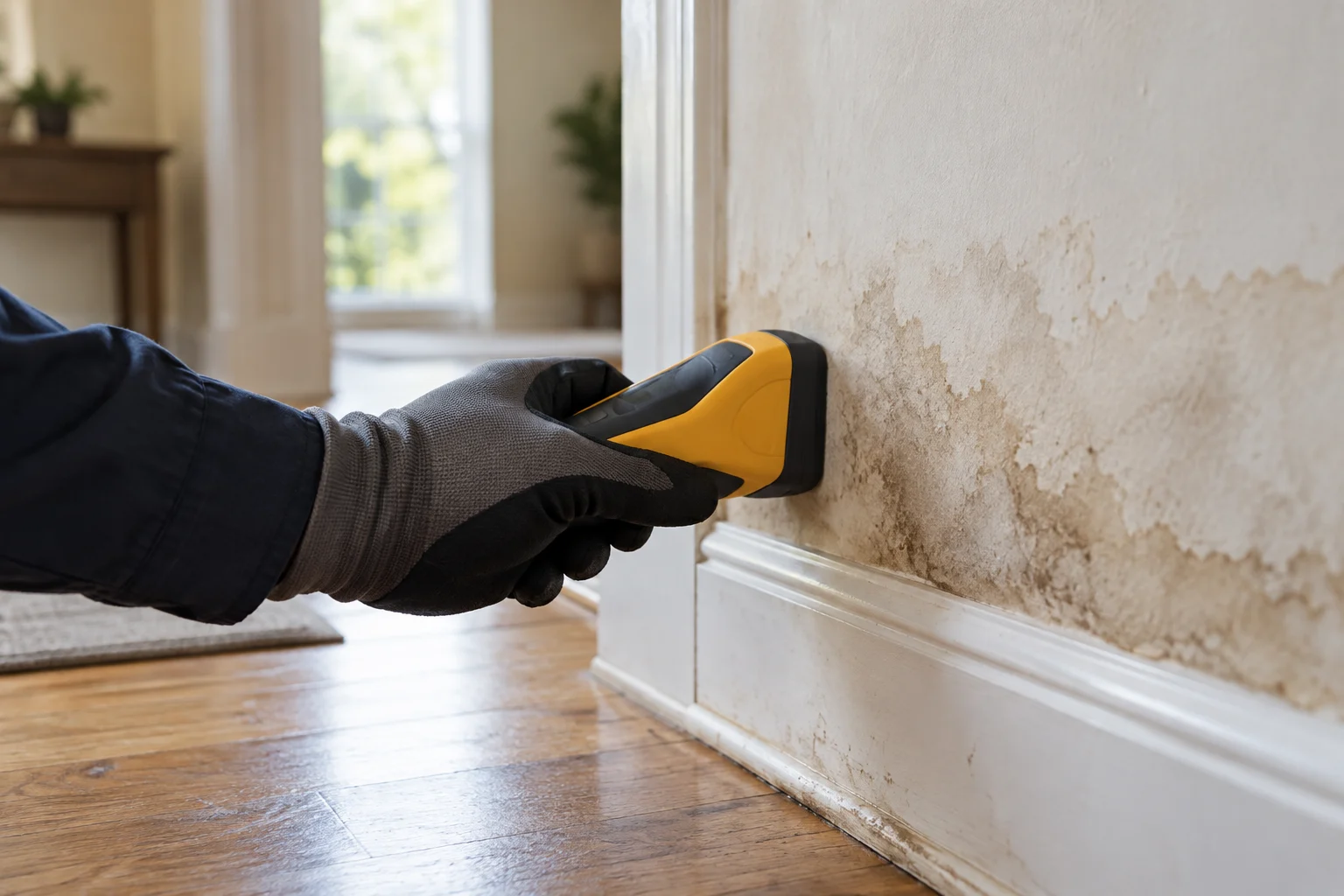
A wet wall or floor may look very different by the time the valuation is reviewed. Records made during cleanup can show the original condition. Professional findings can also explain damage discovered inside an opened area that was not visible at the first inspection.
Our work draws on more than two decades of Xactimate estimating experience. We use photos and measurements to support the repair scope and quantities. Our water-loss background helps us ask useful questions about affected areas, while our desk adjusting experience helps us review whether the written record answers them.
Begin with the facts and the appointment terms
Gather the complete policy, estimates, mitigation records, photos, and any appraisal correspondence. Note what has been paid, what remains disputed, and whether repairs are underway. That information gives the proposed valuation work a defined starting point. If damaged belongings are also disputed, keep their inventory separate for a discussion of personal property and contents appraisal.
We focus on eastern South Carolina, including Charleston, Columbia, Myrtle Beach, and Hilton Head. Discuss our role, any earlier involvement in the claim, the fees, and the records needed before an appointment. We're straightforward that the process can take time. Direct updates and an estimate built on evidence help keep the discussion productive without promising that an appraisal will produce a particular increase.
A clearer next step
Let's talk about your property claim.
Tell us what happened, where things stand with your insurer, and what's still unresolved. We can discuss the work your situation needs and whether our services are a fit.