Public adjusting for property owners
Hurricane damage insurance claims in South Carolina
Hurricane damage insurance claims in South Carolina can become confusing when wind, rain, and rising water affect the same property. One room may have damage from above while another has water at floor level. A claim needs a clear account of those conditions, not one broad label for the whole loss.
Our adjusting background includes hurricane and tropical storm losses. Our South Carolina experience is concentrated in the eastern half of the state, including Charleston, Myrtle Beach, Hilton Head, and Columbia.
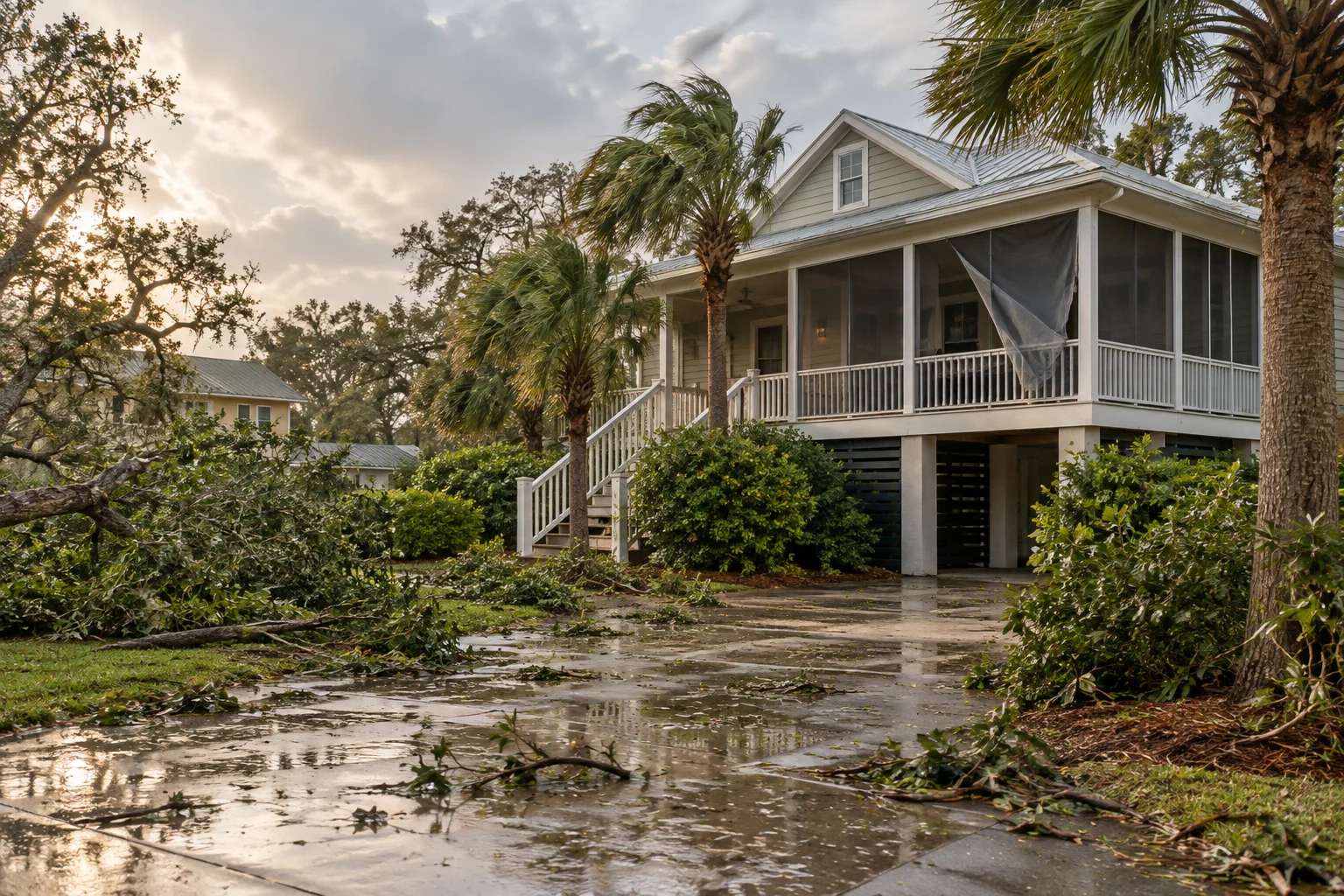
Hurricane damage insurance claims
Begin with the location of the damage and the sequence of events you can establish. Record when you left or returned, what you first observed, and what emergency work followed. Use photos and professional reports to fill in the record rather than making guesses about a cause.
Keep the separate policy documents available. Standard homeowners insurance generally does not cover flood damage, so a flood policy may involve another claim. The source of water and the terms of each policy matter when the insurer reviews a loss.
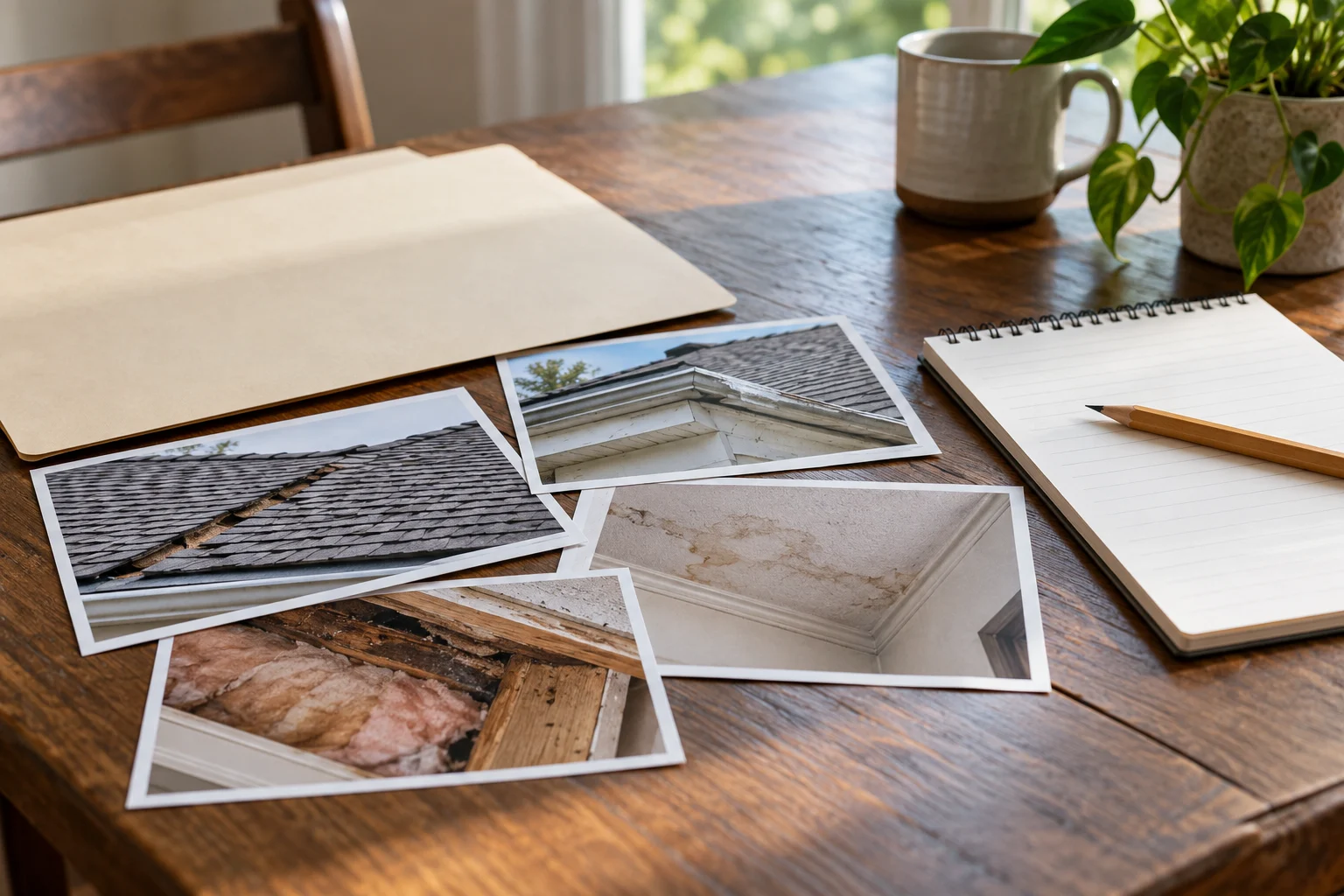
Organize one loss without mixing the details
Create a record for each affected area of the property. Include the damage, the work already performed, and the repair estimate. If there are several claim numbers, label the correspondence so documents do not become confused between files.
Do the same for damaged belongings. Photos of the building do not replace a contents list. Record items by room, with descriptions and available evidence of ownership. The goal is to account for what was actually lost without counting the same item twice.
A repair estimate grounded in the property
We bring more than two decades of Xactimate estimating experience to our claim work. We use measurements, photos, and repair information to describe the tasks needed. Our background on the insurance side helps us understand the questions a file reviewer may raise.
Large storm losses can take time. Access, inspections, and additional document requests may affect the pace. We use calls and texts to keep clients informed, rather than treating the first submitted estimate as the end of the job.
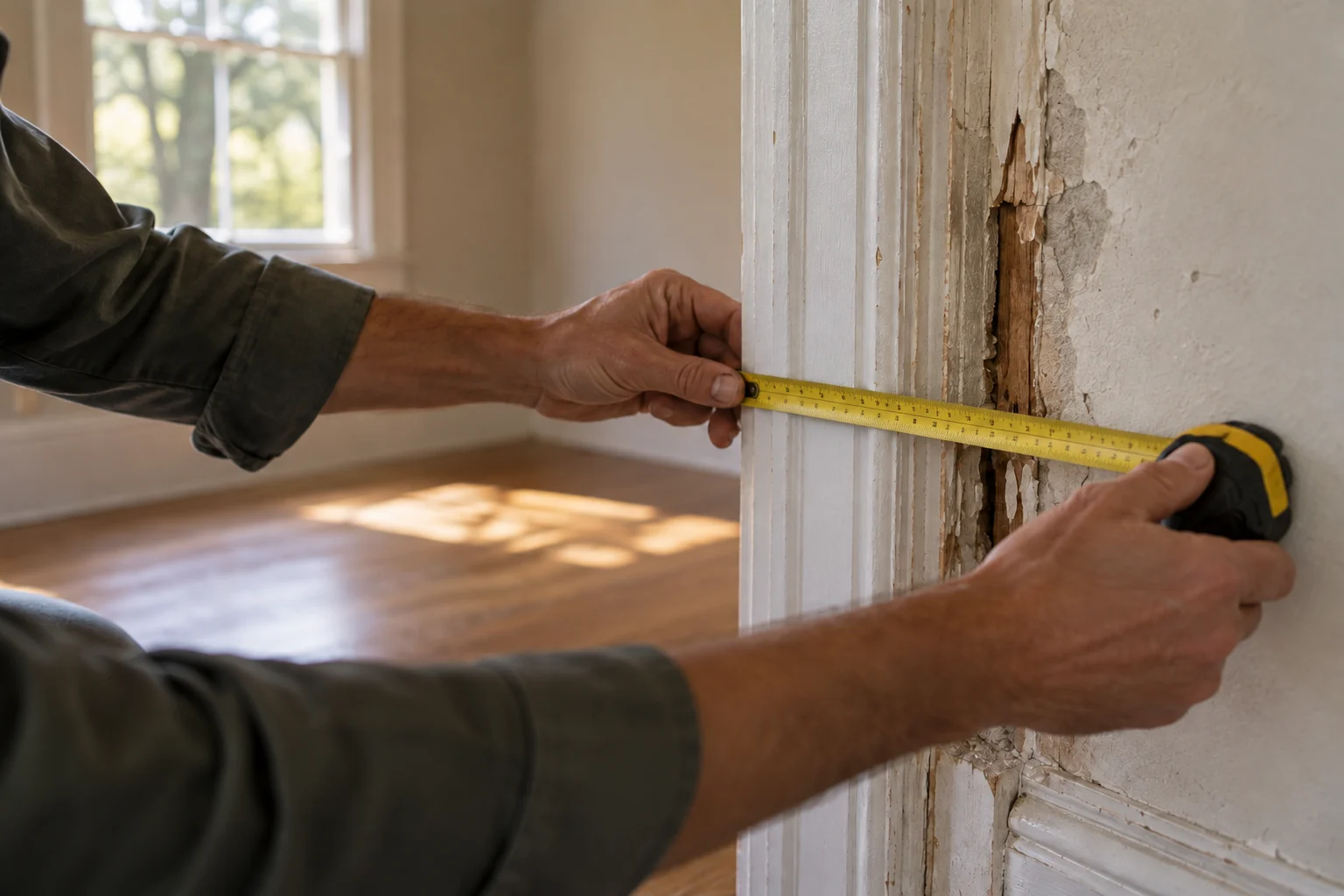
Start with safety, then gather the record
Follow local re-entry instructions and use qualified help for unsafe structures or electrical hazards. Preserve photos and invoices when temporary repairs are needed. Do not wait for a public adjuster before addressing an urgent danger.
When you speak with us, explain which insurers have been notified and what they have said. Bring the policy forms, claim numbers, estimates, and cleanup records. We can discuss the property claim work that fits our role and experience. The route forward depends on the evidence and the policies, not on a promise that one insurer will pay for every part of a hurricane loss.
A clearer next step
Let's talk about your property claim.
Tell us what happened, where things stand with your insurer, and what's still unresolved. We can discuss the work your situation needs and whether our services are a fit.