Public adjusting for property owners
Sewer backup insurance claims in South Carolina
Sewer backup insurance claims in South Carolina require a careful record of both the event and the cleanup. You may be dealing with contaminated rooms, emergency invoices, and uncertainty about what your policy includes. A clear file helps keep those different questions from becoming one confusing dispute.
Our water-loss background is useful when reviewing the source records, affected materials, and proposed repairs. Start with what happened and the documents available, rather than assuming a sewer backup is handled like every other water loss.
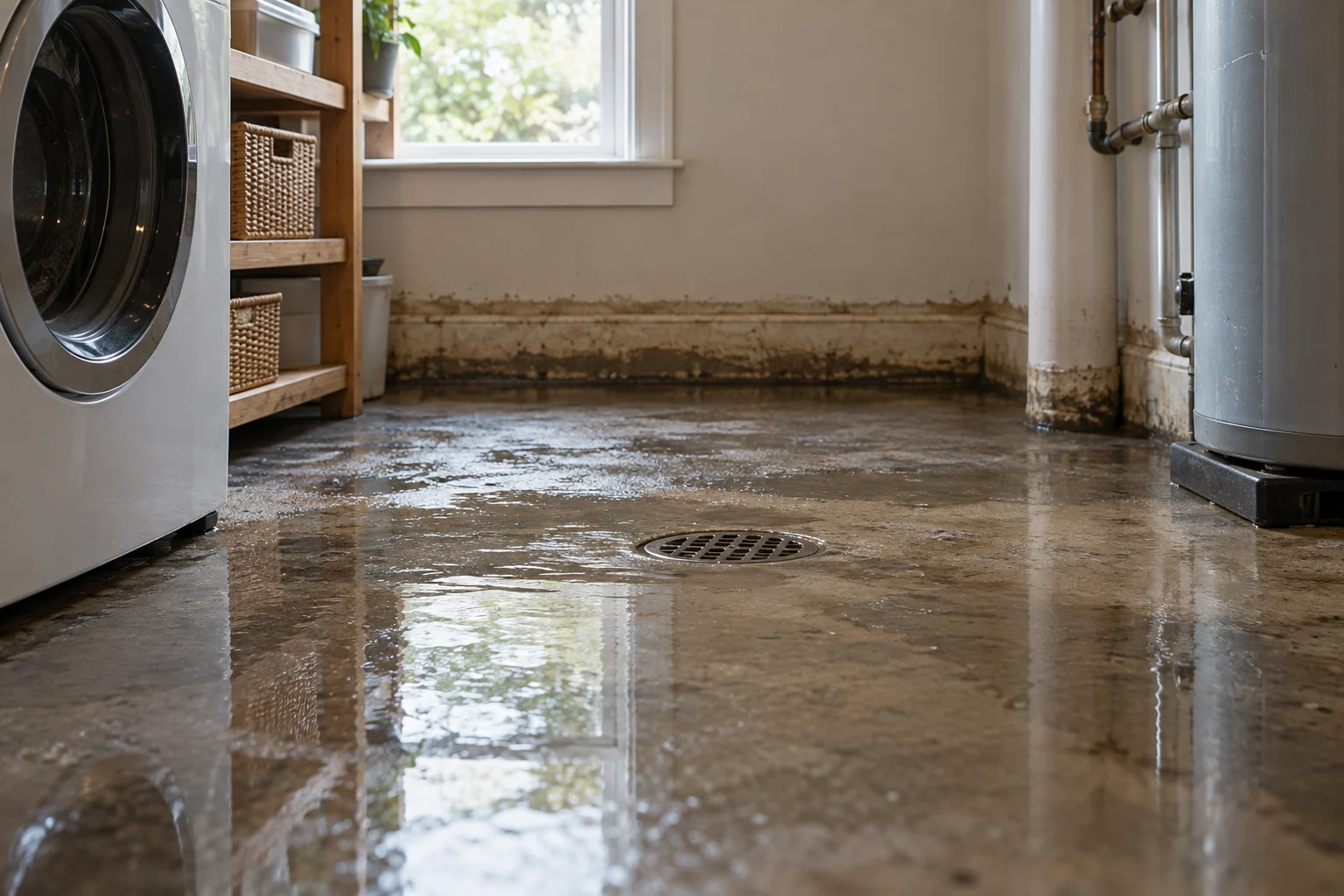
Sewer backup insurance claims
Ask the plumbing professional to describe the source and the work performed. Keep that report with photos, dates, and any information from the utility or cleanup company. The details may help explain whether water backed up through a drain or entered the property in another way.
Gather the complete policy, including any water-backup endorsement, and the insurer's written response. Policy wording and limits need to be reviewed for the particular loss. The presence of dirty water alone does not establish how the claim will be handled.

Use professional cleanup records
Sewage presents a cleanup problem that should be handled by professionals with relevant experience. Avoid entering affected areas to collect items or take closer photos when it is unsafe. Ask the cleanup provider to document conditions and removed materials as the work proceeds.
Useful records include the areas treated, materials removed, dates of work, and the reasons given for those tasks. Keep the detailed invoice, not just a payment receipt. It should be possible to connect the charges to the actual work at the property.
Explain what still needs to be repaired
Once cleanup is complete, the house may still need flooring, wall materials, cabinets, or other repairs. A payment for emergency work does not tell you whether those later tasks have been included. Compare the repair scope with the insurer's estimate area by area.
We use photos, measurements, and Xactimate estimates to document repair work. Our field and desk adjusting experience helps us identify gaps in the file. We aim to present supported costs and avoid overlap between cleanup invoices and the repair estimate.
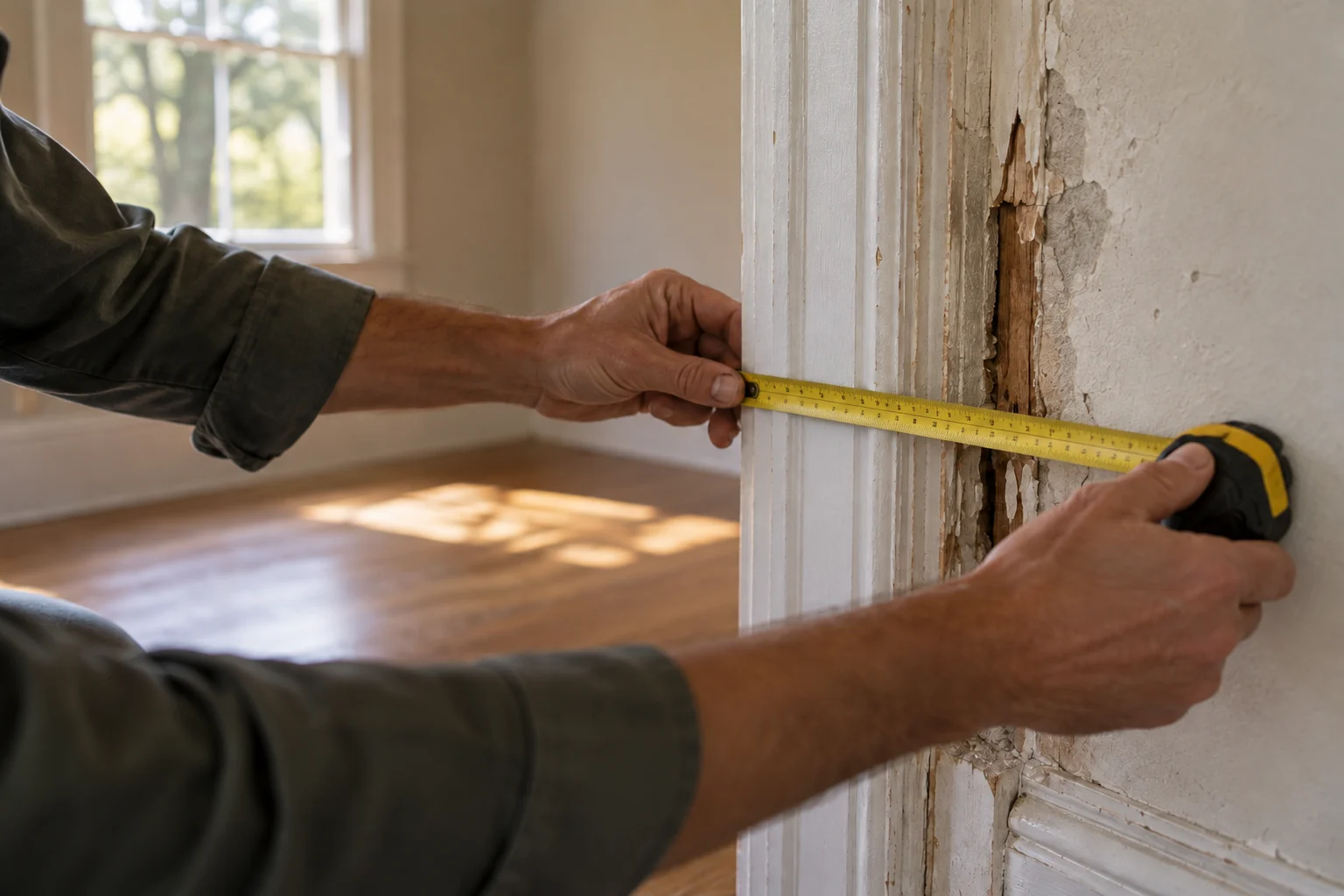
Bring the whole claim into view
If there is a disagreement, identify exactly what the insurer is questioning. It may concern the source, a policy provision, the quantity of work, or a particular charge. Those issues need different evidence, so a written explanation is a useful starting point.
We focus on eastern South Carolina, including Charleston, Columbia, Myrtle Beach, and Hilton Head. For the first discussion, bring the plumber's report, mitigation invoice, policy, claim letters, and repair quotes. Explain what remains unfinished and any immediate concerns. We can discuss a practical scope of claim help without promising coverage or a particular recovery.
A clearer next step
Let's talk about your property claim.
Tell us what happened, where things stand with your insurer, and what's still unresolved. We can discuss the work your situation needs and whether our services are a fit.